A Quiet Rule Change That Could Have Loud Consequences

Most business owners don’t wake up thinking about Department of Labor rules.
But maybe they should.
Because right now, there’s a growing fight in Washington over how workers are classified—and it has real financial consequences for businesses like yours.
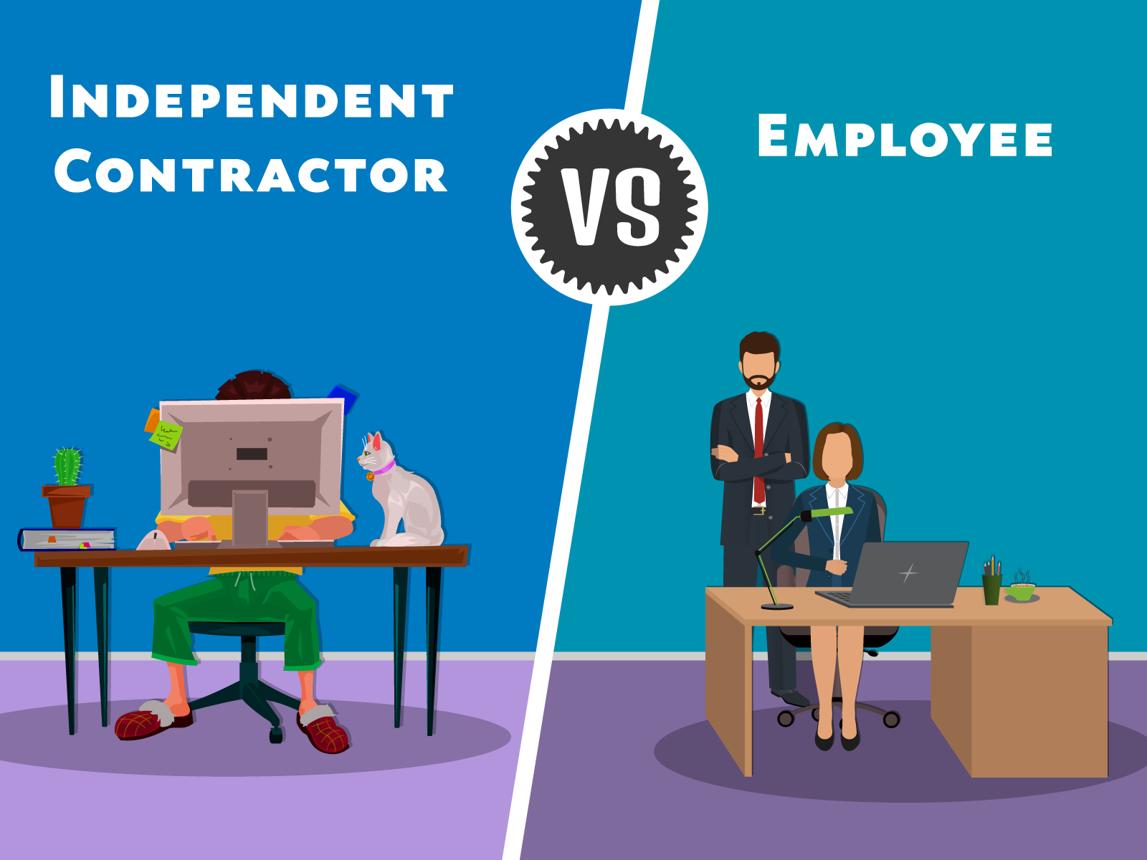
According to a recent report, dozens of lawmakers are pushing back against a proposed change to how the U.S. Department of Labor defines independent contractors versus employees.
At first glance, this sounds like inside-baseball policy talk.
It’s not.
Why This Matters More Than You Think
The classification of workers under the Fair Labor Standards Act (FLSA) determines:
- Whether someone is eligible for overtime
- Whether benefits are required
- How taxes are handled
- Your exposure to audits, penalties, and lawsuits
In other words—this is not just compliance…
This is dollars.
A lot of them.
Lawmakers arguing against the proposed changes claim that loosening the rules could lead to worker misclassification, which they say results in lost wages, lost benefits, and reduced tax revenue.
That’s one side of the argument.
The Other Side (That Doesn’t Get Talked About Enough)
Let’s be honest—there’s another perspective here that business owners understand immediately:
Flexibility matters.
Many conservative-leaning economists and business advocates argue that:
- Overly strict classification rules limit entrepreneurship
- They hurt small businesses that rely on flexible labor
- They reduce opportunities for independent workers who want control over their schedules and income
Organizations like the U.S. Chamber of Commerce and similar pro-business groups have long warned that tightening these definitions can:
“Blur the line between employment and independence in ways that discourage hiring and innovation.”
And if you’ve ever tried to grow a business while navigating red tape… you don’t need a white paper to understand that.
Here’s the Real Problem
This entire debate highlights something bigger:
👉 The system is complicated
👉 The rules keep changing
👉 And business owners are stuck trying to keep up
Meanwhile…
- Costs keep rising
- Employees want better benefits
- And every year feels like another round of “figure it out or fall behind”
Sound familiar?
What Smart Employers Are Doing Instead
The best operators I work with aren’t sitting around waiting on Washington to fix anything.
They’re asking a different question:
“How do we win regardless of what the rules are?”
That’s where strategy comes in.
Because whether workers are classified one way or another…
Whether regulations tighten or loosen…
There are still ways to:
- Reduce overall costs
- Increase employee take-home pay
- Improve retention (without throwing more money at the problem)
- Strengthen your business financially
And here’s the kicker:
👉 Most of it has nothing to do with changing your current plans or vendors.
A Quick Story
I was talking to a business owner recently—good operator, solid company.
He said something that stuck with me:
“Every year I feel like I’m playing defense.”
That’s exactly what this kind of legislation does.
It keeps you reacting.
But the businesses that thrive?
They stop playing defense—and start playing offense.
Final Thought
Whether this rule gets implemented, modified, or scrapped…
It won’t be the last change coming out of Washington.
But you don’t have to build your business around uncertainty.
You can build it around certainty, strategy, and control.
And when you do that…
These headlines stop being threats—and start being background noise.
Want to See What This Looks Like in Your Business?
If you’re curious what kind of financial impact this could have for your company and your employees, it’s usually eye-opening.
We’re often talking about six-figure improvements for companies with as few as 50 employees.
No guesswork. Just math.
Schedule a call HERE