Chris Attaway Consulting

Employees

Lawmakers, Labor Rules… and What It Means for Your Business

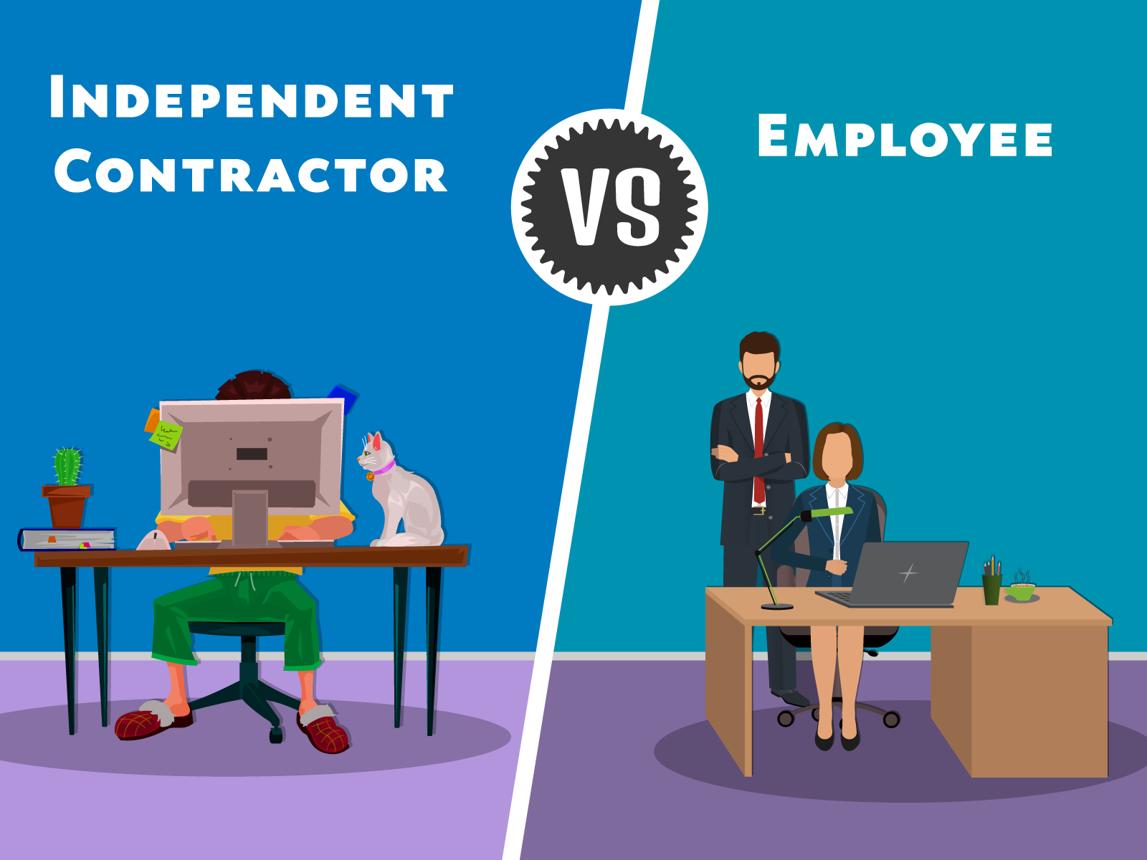
A Quiet Rule Change That Could Have Loud Consequences Most business owners don’t wake up thinking about Department of Labor rules. But maybe they should. Because right now, there’s a growing fight in Washington over how workers are classified—and it has real financial consequences for businesses like yours. According to a recent report, dozens of lawmakers are pushing back against a proposed change to how the U.S. Department of Labor defines independent contractors versus employees. At first glance, this sounds like inside-baseball policy talk. It’s not. Why This Matters More Than You Think The classification of workers under the Fair Labor Standards Act (FLSA) determines: Whether someone is eligible for overtime Whether benefits are required How taxes are handled Your exposure to audits, penalties, and lawsuits In other words—this is not just compliance… This is dollars. A lot of them. Lawmakers arguing against the proposed changes claim that loosening the rules could lead to worker misclassification, which they say results in lost wages, lost benefits, and reduced tax revenue. That’s one side of the argument. The Other Side (That Doesn’t Get Talked About Enough) Let’s be honest—there’s another perspective here that business owners understand immediately: Flexibility matters. Many conservative-leaning economists and business advocates argue that: Overly strict classification rules limit entrepreneurship They hurt small businesses that rely on flexible labor They reduce opportunities for independent workers who want control over their schedules and income Organizations like the U.S. Chamber of Commerce and similar pro-business groups have long warned that tightening these definitions can: “Blur the line between employment and independence in ways that discourage hiring and innovation.” And if you’ve ever tried to grow a business while navigating red tape… you don’t need a white paper to understand that. Here’s the Real Problem This entire debate highlights something bigger: 👉 The system is complicated👉 The rules keep changing👉 And business owners are stuck trying to keep up Meanwhile… Costs keep rising Employees want better benefits And every year feels like another round of “figure it out or fall behind” Sound familiar? What Smart Employers Are Doing Instead The best operators I work with aren’t sitting around waiting on Washington to fix anything. They’re asking a different question: “How do we win regardless of what the rules are?” That’s where strategy comes in. Because whether workers are classified one way or another… Whether regulations tighten or loosen… There are still ways to: Reduce overall costs Increase employee take-home pay Improve retention (without throwing more money at the problem) Strengthen your business financially And here’s the kicker: 👉 Most of it has nothing to do with changing your current plans or vendors. A Quick Story I was talking to a business owner recently—good operator, solid company. He said something that stuck with me: “Every year I feel like I’m playing defense.” That’s exactly what this kind of legislation does. It keeps you reacting. But the businesses that thrive? They stop playing defense—and start playing offense. Final Thought Whether this rule gets implemented, modified, or scrapped… It won’t be the last change coming out of Washington. But you don’t have to build your business around uncertainty. You can build it around certainty, strategy, and control. And when you do that… These headlines stop being threats—and start being background noise. Want to See What This Looks Like in Your Business? If you’re curious what kind of financial impact this could have for your company and your employees, it’s usually eye-opening. We’re often talking about six-figure improvements for companies with as few as 50 employees. No guesswork. Just math.                                                                      Schedule a call  HERE

Lawmakers, Labor Rules… and What It Means for Your Business Read More »

United Healthcare Plans 11% Premium Hike for 2026 — But Employers Finally Have a Better Option

United healthcare plans 11 premium hike for 2026 but employers finally have a better option   It’s official: UnitedHealthcare has announced plans for an 11% premium increase for 2026.That’s right — while companies are struggling with payroll pressures, inflation, and rising operatingcosts, health insurance carriers are once again raising rates across the board.Executives at UnitedHealthcare, including CEO Tim Noel, cited “elevated cost levels” that they expectwill continue next year. Their data shows employer health plans are already paying about 11% more forcare this year — and there’s no end in sight.But here’s the problem:Employers are done accepting these endless cost increases as “normal” or at least they should be!They’re demanding more value — and that’s exactly where Chris Attaway Consulting steps in.The Strategy That Works — No Matter How You’re InsuredOur strategy helps employers cut costs, increase profits, and boost employee take-home pay — allwithout changing their current benefits provider or disrupting existing vendor relationships.It works for every type of setup:✅ No Coverage: If you don’t currently offer health coverage, our program creates affordable,high-quality benefits your employees will love — without adding new costs to your bottom line.✅ Fully Funded Plans: We help fully insured employers recover thousands in unnecessarypayroll and healthcare expenses every year.✅ Level-Funded & Self-Funded Plans: These employers see some of the biggest gains, sincewe can integrate directly into your structure to reduce claims, improve outcomes, andeliminate waste. You will see HUGE benefits if you insure your employees this way; easilybetween $1,000 – $2,000 per employee per year. Every year.✅ “Copay-Only” or New Hybrid Plans: Even these trendy, cost-shifting plans can benefitfrom our system — we cut both employer and employee out-of-pocket costs while increasingcoverage quality.And here’s the part that usually shocks business owners:👉 You don’t have to change your current insurance carrier, broker, or vendor relationships.You simply add our strategy to your existing setup, and it works quietly in the background — loweringcosts and improving benefits automatically.The Results Speak for ThemselvesEmployers who use our system routinely experience:• Immediate payroll cost reductions ( $573.60+ per employee per year)• Higher employee take-home pay• Reduced healthcare and out-of-pocket expenses• Improved retention and moraleAnd for those who allow us to do a deeper review — looking at every component of their benefitstructure — we’ve seen something truly remarkable:Some of our clients haven’t had a rate increase in over six years.That’s unheard of in today’s market.The Bottom LineWhile UnitedHealthcare and other carriers continue to push double-digit increases, business owners areno longer powerless.With Chris Attaway Consulting’s proven, no-cost strategy, employers can:• Keep their same insurance carrier• Cut costs and boost profits• Give employees better benefits• And guarantee savings — with zero risk.If you’re tired of rate hikes and ready to take back control of your company’s healthcare costs, let’s talk.​📅 Schedule a 15-minute strategy visit: calendar.chrisattaway.com

United Healthcare Plans 11% Premium Hike for 2026 — But Employers Finally Have a Better Option Read More »

Average Family Health Premium Hits $26,993 — and Employers Are Out of Options (Until Now)

The numbers are in, and they’re not pretty: According to the latest KFF Health Benefits Survey,the average cost of family health coverage for employer-sponsored insurance has climbed to$26,993 — up 6% this year alone.Employees are paying an average of $6,850 per year out-of-pocket, while employers shoulderthe rest. It’s the third consecutive year of near double-digit hikes, outpacing both inflation andwage growth.And the experts aren’t sugarcoating it.“There’s a quiet alarm bell going off,” said Drew Allman, KFF President and CEO. “WithGLP-1s, hospital price increases, and other factors, we expect employer premiums to rise evenmore sharply next year.”In other words: brace for another big hit in 2026.The Cost Drivers: A Perfect StormThe pressure on employer health costs is coming from all sides:• Drug Prices: Especially new high-cost drugs like GLP-1s for weight loss and diabetes,which many employers are now covering.• Hospital Costs: Rising facility and labor expenses continue to drive overall planinflation.• Chronic Disease and Utilization: More employees are using more healthcare, moreoften.• Tariffs and Inflation: Economic conditions are rippling directly into healthcare pricing.Even large employers — those with 200 or more employees — say these are the biggest driversof rising costs. And when premiums climb faster than wages, there’s only so much room left toabsorb the hit.KFF warns that many companies will once again resort to higher deductibles and cost-sharing,a tactic that neither employers nor employees like — but use when they feel cornered.A New Path Forward: Real Savings, No Trade-OffsFortunately, there’s a better solution — and it’s already working for small, medium, and evenlarge employers across the country.Chris Attaway Consulting helps employers cut costs, increase profits, and boost employeetake-home pay, all while improving benefits — and without changing your current insuranceprovider, broker, or vendor relationships.Our strategy works across all types of benefit setups:✅ No Coverage: We help you finally offer meaningful health benefits at no net cost tothe company.✅ Fully Funded Group Plans: We reduce employer and employee expenses whileupgrading benefit quality.✅ Level-Funded & Self-Funded Plans: We integrate seamlessly, optimizing planefficiency, reducing claims, and moving utilization from your major medical plan to ourstrategy. This change alone is HUGE for your pocket and it increases employee benefitsat the same time.✅ “Copay-Only” or Hybrid Plans: Even these newer models benefit — we cut out-ofpocket costs and strengthen coverage value.And unlike traditional “cost containment” solutions, you don’t have to switch carriers,vendors, or benefit structures.You can keep everything exactly as it is — and still see guaranteed savings.Proof That It WorksEmployers who implement our strategy typically experience:• Lower employer payroll and healthcare costs (min $573.60 per employee per year, butit could be 3x or 4x that)• Higher employee take-home pay• Reduced out-of-pocket medical expenses• Improved employee satisfaction and retentionAnd here’s the kicker:Some of our clients haven’t had a rate increase in more than six years — while the rest of themarket has faced annual hikes like this one.The TakeawayThe average family premium is nearly $27,000 and rising — and most companies feel likethey’re out of moves.But with Chris Attaway Consulting, you can finally stop playing defense against the nextinsurance renewal. Our proven strategy lets you lower costs, strengthen benefits, and boost employee morale —without spending a dime or changing a thing.📅 Book your 15-minute strategy session: calendar.chrisattaway.comLet’s make next year the first one your costs go down — not up.

Average Family Health Premium Hits $26,993 — and Employers Are Out of Options (Until Now) Read More »

Molina’s Soaring Costs Sound the Alarm — and Why Employers Should Be Paying Attention ​

Lower Costs. Increased Profits. Happy Employees.If you’re like most employers, your benefits costs feel like they’re on autopilot—rising every year with no real explanation. You cross your fingers at renewal, hope the increase isn’t too brutal, and then watch as profits shrink and employees grumble.It’s frustrating because benefits are supposed to be an investment in your people – but instead they’ve become a burden:• 20–30% of your total revenue disappearing into benefits• Annual increases that chew up your margin• Employees saying they’re “under-insured” even though you’re paying more than ever• Turnover when competitors dangle “better benefits” in front of your top people• Your team distracted, disengaged, and costing you even more in lost productivity.Here’s the truth: the benefits game is rigged in favor of carriers and brokers—not business owners. But you don’t have to keep playing defense.At Chris Attaway Consulting, we help businesses like yours flip the script—lowering costs, boosting loyalty, and putting you back in control.

Molina’s Soaring Costs Sound the Alarm — and Why Employers Should Be Paying Attention ​ Read More »